
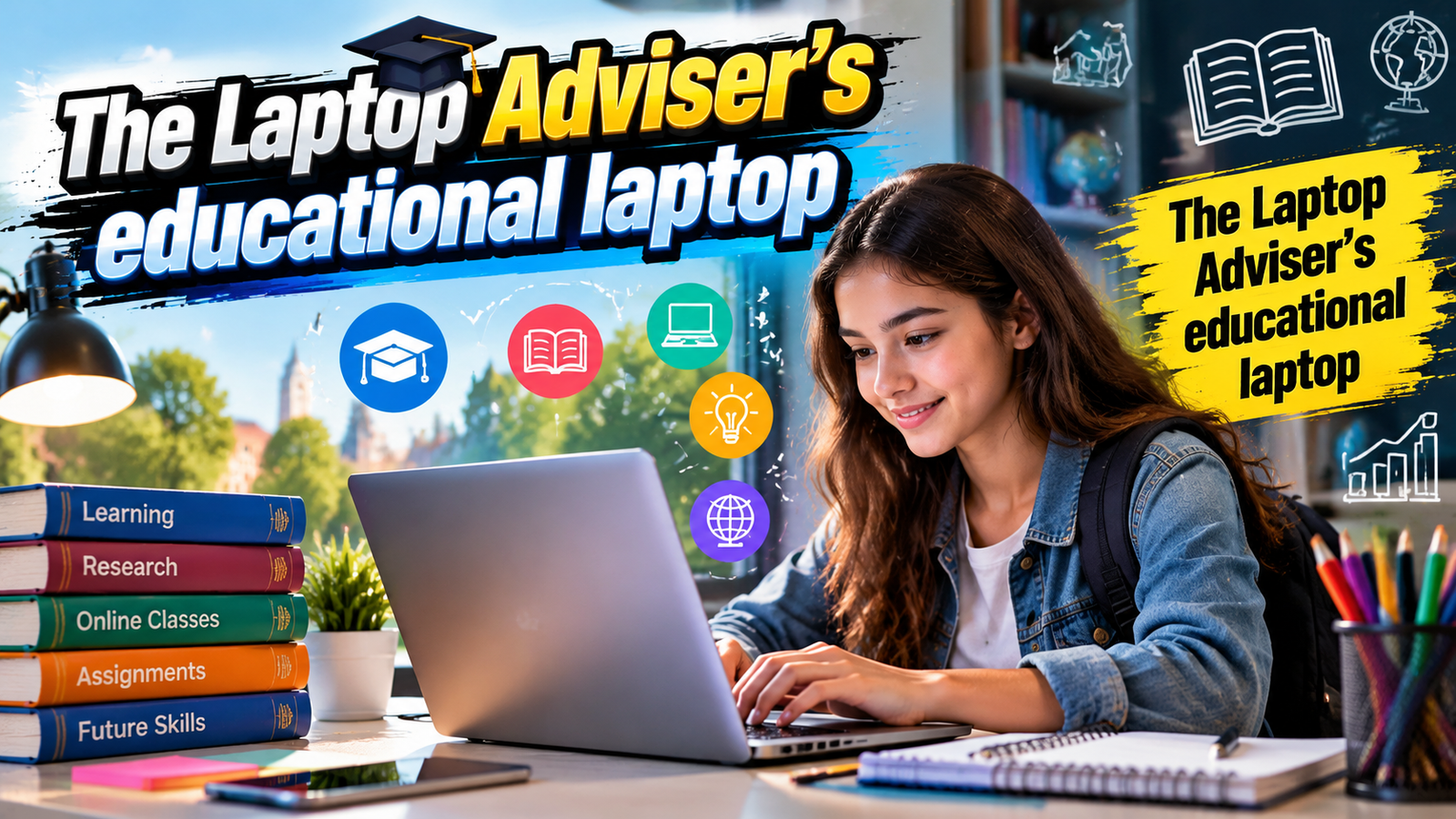
Technology has transformed the way students learn, research, and communicate. The Laptop Adviser’s educational laptop represents a modern approach to choosing devices that support academic growth, digital skills, and everyday productivity. Today, laptops are no longer only tools for writing documents or browsing the internet; they have become essential platforms for online classes, creative work, programming, collaboration, and knowledge development.
The demand for reliable educational technology has increased as schools, universities, and training programs continue adopting digital learning environments. Students need devices that can handle virtual classrooms, educational applications, cloud services, and multimedia content without creating unnecessary difficulties.
Selecting the right laptop requires more than looking at processor names or storage numbers. A useful educational laptop should combine performance, durability, comfort, security, and affordability. Understanding these factors helps students and families choose technology that remains valuable throughout their learning journey.
Why Educational Laptops Are Important in Modern Technology
Supporting Digital Learning Experiences
Digital education depends on reliable hardware. Students use laptops for attending online lectures, creating presentations, analyzing information, learning software tools, and communicating with teachers and classmates. A slow or unreliable device can interrupt productivity and make learning more challenging.
Modern educational laptops are designed to support multiple activities at the same time. Students may need to research online while writing assignments, joining video meetings, or using specialized applications. A balanced system ensures that these tasks can be completed smoothly.
Technology experts understand that educational devices require different priorities compared with gaming or professional workstations. Students usually benefit from efficient performance, strong battery life, portability, and simple usability rather than unnecessary high-end features.
The Importance of Smart Device Selection
Many people believe choosing a laptop is only about purchasing the most powerful model available. However, educational technology requires careful consideration of actual needs. A device that is too basic may become outdated quickly, while an expensive machine may include features that a student never uses.
The Laptop Adviser’s educational laptop approach focuses on finding the right balance between capability and practicality. The goal is to help users understand which features provide real educational benefits and which specifications may not significantly improve their experience.
Essential Features of a Modern Educational Laptop
Processing Power and System Performance
The processor is one of the main components that determines how efficiently a laptop performs. It manages tasks such as running applications, handling online meetings, processing files, and supporting multitasking.
For most educational purposes, a modern processor with efficient performance is usually sufficient. Students working with documents, web applications, video lessons, and productivity software do not always require the highest available processing power.
However, students studying computer science, engineering, animation, or digital media may need more advanced hardware. These fields often involve demanding programs that require additional processing capability.
Memory is another important factor. Adequate RAM allows students to switch between applications smoothly, while fast storage improves startup times and file access. Together, these components create a responsive learning environment.
Display Quality and User Comfort
Students often spend several hours each day working on their laptops. Because of this, display quality plays an important role in comfort and productivity.
A clear screen with suitable brightness helps students read text, watch educational videos, and work on projects more comfortably. Higher-quality displays can also improve creative activities such as graphic design, photography, and video editing.
The physical design of the laptop matters as well. A comfortable keyboard, accurate touchpad, and lightweight structure make long study sessions easier. Small improvements in design can have a significant impact on daily use.
Battery Life and Mobility
Educational technology often requires flexibility. Students may use laptops in classrooms, libraries, homes, and shared learning spaces. Strong battery performance allows them to continue working without constantly searching for a power outlet.
Portability is another important consideration. A lightweight laptop is easier to carry between locations, making it more convenient for students with busy schedules.
A well-designed educational laptop should provide a balance between mobility and performance. A device that is easy to transport but still capable of handling academic tasks offers long-term value.
Security and Reliability in Educational Technology
Protecting Digital Information
As education becomes increasingly digital, cybersecurity has become an important part of technology use. Students store personal information, academic documents, and project files on their devices.
Modern laptops often include security features such as biometric login options, system protection tools, and encrypted storage capabilities. These features help protect important information from unauthorized access.
Responsible digital habits are equally important. Students should regularly update software, use strong passwords, and avoid unsafe downloads. Technology works best when users understand how to protect their devices.
Durability and Long-Term Value
Educational laptops are often used daily and transported frequently. Durability is therefore an important factor when choosing a device.
A strong build quality helps protect against accidental drops, movement, and everyday wear. Reliable hardware reduces interruptions and allows students to focus on learning rather than technical problems.
A quality laptop is an investment in education. Choosing a dependable device can save money over time because it may continue supporting academic needs for several years.
Choosing the Right Educational Laptop for Different Users
Students and Everyday Learners
Most students need a laptop that supports common activities such as writing assignments, attending online classes, researching information, and creating presentations.
For these users, reliability, battery life, and ease of use are often more important than advanced professional features. A balanced laptop can provide everything needed for successful learning.
Advanced Technology Students
Students involved in specialized fields may require stronger systems. Programming, artificial intelligence studies, engineering applications, and creative software often demand additional performance.
In these cases, choosing hardware based on academic requirements becomes essential. The right laptop can support both current education and future career development.
The Laptop Adviser’s educational laptop concept highlights the importance of matching technology with personal goals instead of simply selecting devices based on popularity.
Maintaining an Educational Laptop for Better Performance
Regular Care and Updates
Proper maintenance helps extend the life of any laptop. Keeping software updated, organizing files, and managing storage space can improve performance and reliability.
Students should also protect their devices physically by using suitable bags or cases. Simple care practices can prevent common damage and maintain the laptop’s condition.
Cleaning the keyboard, managing background applications, and checking system performance regularly can also help maintain smooth operation.
Developing Better Technology Habits
A laptop is more than a machine; it is a learning tool. Students who develop good technology habits can use their devices more effectively.
Organizing digital files, using productivity applications, and understanding online safety are valuable skills that extend beyond education. These abilities prepare students for future workplaces where technology plays an important role.
The Future of Educational Laptop Technology
The future of educational laptops will continue to evolve with advancements in artificial intelligence, cloud computing, and smart learning platforms. Devices are becoming more efficient, powerful, and connected.
Artificial intelligence tools are already helping students personalize learning experiences, improve productivity, and access information more effectively. Cloud technology allows learners to store files securely and collaborate from different locations.
Future educational laptops will likely focus on improving accessibility, efficiency, and creativity. The purpose of these innovations is not only better performance but also creating more opportunities for learning.
Frequently Asked Questions
What is an educational laptop?
An educational laptop is a device designed to support learning activities such as online classes, research, assignments, digital projects, and educational software.
What specifications should students look for in a laptop?
Students should consider a reliable processor, sufficient memory, fast storage, comfortable display, strong battery life, and a durable design based on their academic requirements.
Is a powerful laptop necessary for online learning?
Most online learning activities do not require extremely powerful hardware. A balanced laptop with reliable performance is usually enough for video classes, research, and productivity tasks.
How can students extend their laptop’s lifespan?
Students can extend laptop life by maintaining software updates, protecting the device physically, managing storage, and practicing safe digital habits.
Are educational laptops useful beyond school?
Yes, educational laptops can support professional development, personal projects, communication, entertainment, and skill building beyond traditional education.
Conclusion: Choosing Technology That Supports Learning
A laptop has become an essential part of modern education, helping students access information, develop digital skills, and complete academic tasks efficiently. Choosing the right device requires understanding performance, comfort, security, and long-term reliability.
The Laptop Adviser’s educational laptop highlights the importance of selecting technology that genuinely supports learning needs. The best educational device is not always the most expensive or powerful one; it is the laptop that provides the right combination of features for the user.
As technology continues advancing, educational laptops will remain an important foundation for digital learning. With thoughtful selection and proper maintenance, a quality laptop can become a valuable partner in education and future success.