

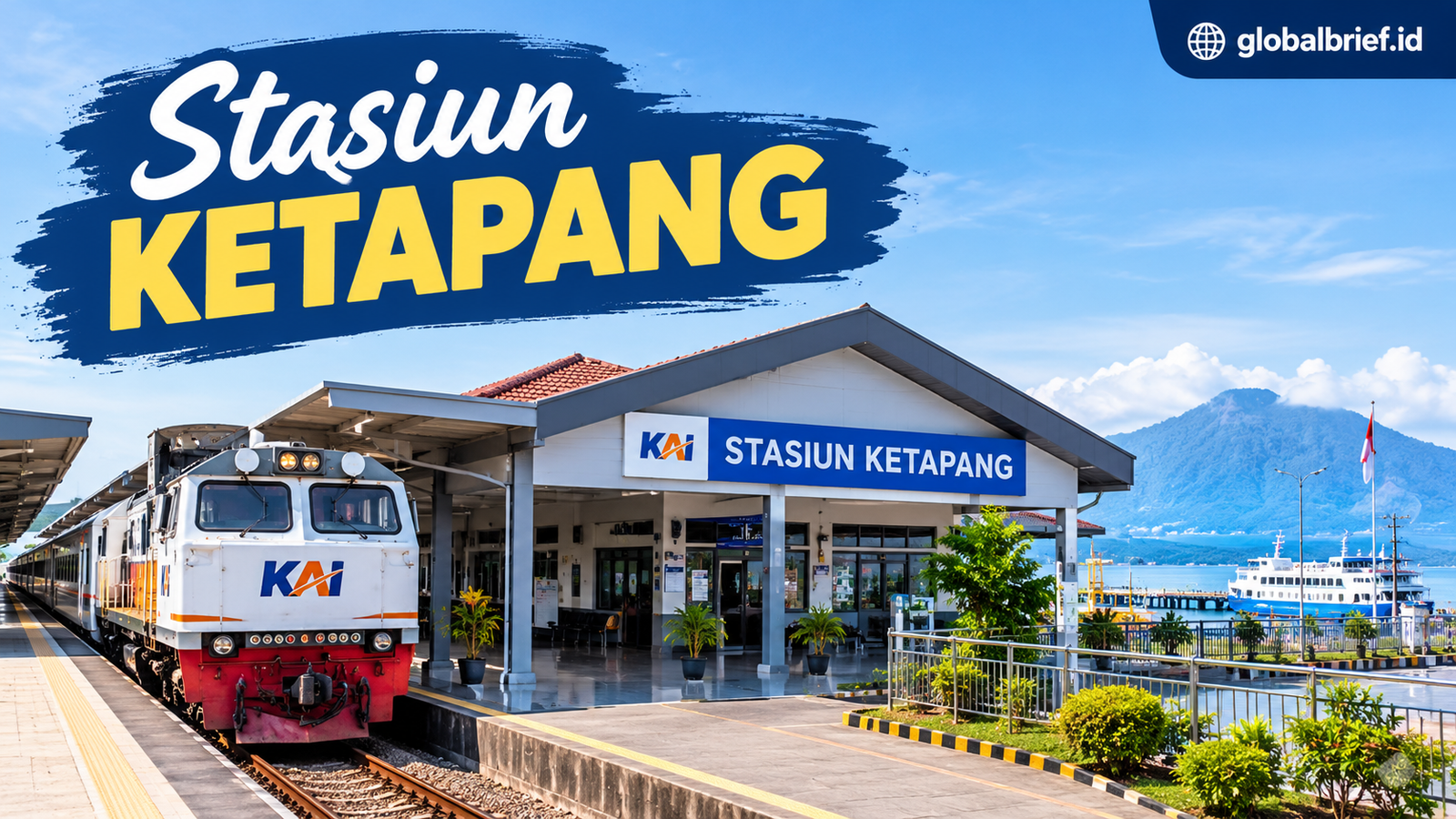
Introduction to Stasiun Ketapang
Stasiun Ketapang is an important transportation point in Banyuwangi, East Java, Indonesia. Located near the eastern end of Java, this railway station helps travelers reach the beautiful landscapes of Banyuwangi and connect with ferry services to Bali. For people planning a holiday, visiting family, or continuing a journey across the islands, the station offers a practical starting point for exploring this part of Indonesia.
Banyuwangi is known for its beaches, volcanic scenery, traditional culture, and access to popular destinations such as Ijen Crater. The railway station plays a useful role in making these attractions accessible to visitors arriving by train. Understanding its location, transport connections, and available facilities can make a trip smoother, especially for first-time travelers.
Where Is Stasiun Ketapang Located?
Stasiun Ketapang is situated in the Ketapang area of Kalipuro District, Banyuwangi Regency, East Java. Its position near the eastern coast makes it especially useful for passengers traveling toward Bali by ferry. Rather than traveling directly to a ferry terminal from another part of the region, visitors can use the station as a convenient arrival point before continuing their journey.
The surrounding area is connected to local roads and transportation services that help passengers reach accommodation, restaurants, and other destinations in Banyuwangi. Travel times vary depending on traffic, weather, and the exact destination, so it is sensible to leave extra time when connecting to another service.
For visitors exploring East Java, the station can also serve as a gateway to the region’s natural attractions and local communities. Planning the onward journey in advance is particularly helpful when arriving late at night or traveling with children and large bags.
Why Stasiun Ketapang Is Important
The main advantage of this railway station is its role in connecting train passengers with the eastern end of Java. Travelers can arrive by rail and continue toward the ferry crossing to Bali, making it a useful option for journeys that combine two forms of transportation.
The station is also valuable for residents who travel for work, education, family visits, and other everyday needs. Rail services provide an alternative to long-distance road travel, while connections with local transport help passengers reach places that are not directly served by trains.
For tourists, the station makes it easier to plan a wider itinerary across Indonesia. A journey might include several days exploring Banyuwangi, a visit to the Ijen area, and a later transfer toward Bali. With suitable planning, train travel can reduce the stress of navigating long road journeys across Java.
Train Services and Ticket Planning
Train services at Stasiun Ketapang operate according to schedules set by the railway operator. The routes available, departure times, fares, and seating options may change, so travelers should check current information before leaving home.
Booking tickets in advance is a sensible choice during public holidays, school vacations, and other busy travel periods. Popular departures may fill quickly, particularly when many passengers are traveling toward or away from Banyuwangi. Keeping a digital or printed ticket accessible can also help make the boarding process easier.
Choosing the Right Train
The best train depends on your starting point, travel budget, and preferred departure time. Some passengers prioritize affordability, while others prefer a schedule that allows them to arrive during daylight. If you are planning to visit local attractions after arrival, consider how much time you will need to reach your accommodation and organize transport.
Always check the station name printed on your ticket. Ketapang and Banyuwangi’s other railway stations serve different locations, and choosing the correct station is essential for avoiding an unnecessary transfer.
Connecting to Bali by Ferry
One of the most useful features of Stasiun Ketapang is its proximity to the Ketapang ferry port. The port serves the crossing to Gilimanuk in western Bali, creating a practical connection between Java and Bali for passengers and vehicles.
After arriving by train, travelers can continue to the ferry terminal using the available local transfer options. The exact walking distance and transfer arrangements depend on the station exit, terminal access rules, and current conditions. Passengers should follow local signs and staff instructions rather than assuming that every part of the journey can be completed directly from the railway platform.
Preparing for the Ferry Crossing
Before traveling, confirm the latest ferry departure information, ticket requirements, and passenger procedures. Ferry operations may be affected by weather, sea conditions, maintenance, or operational changes. During busy periods, queues and waiting times can increase.
If you have a connecting flight, hotel check-in, or another important appointment in Bali, allow a generous time buffer. A train arriving on schedule does not guarantee that the ferry departure or the onward journey will happen without delays.
Keep your identification, tickets, phone, and essential belongings somewhere easy to reach. Travelers carrying bicycles, motorcycles, or other vehicles should check the relevant ferry requirements separately.
Facilities and Passenger Comfort
Railway station facilities can make a meaningful difference to the overall travel experience. Depending on current operations, passengers may find ticketing assistance, waiting areas, seating, toilets, information services, and access to local transportation. The availability and operating hours of individual facilities can change, so it is best not to rely on a particular service without checking first.
Arriving with enough time before departure allows you to confirm your platform, locate the correct waiting area, and organize your luggage. During crowded periods, keeping bags close and paying attention to announcements can help prevent confusion.
For a more comfortable journey, carry drinking water, a light snack, any necessary medication, and a portable phone charger. If you are traveling with older adults or young children, plan for rest breaks and allow additional time when moving between transportation services.
Exploring Banyuwangi From the Station
Banyuwangi offers a variety of experiences for travelers interested in nature, culture, and coastal scenery. The town and surrounding regency provide access to beaches, traditional markets, local food, and landscapes that differ from the busy urban centers of Java.
Visiting Ijen Crater
Ijen Crater is among the region’s best-known natural attractions. The area is famous for its volcanic landscape and turquoise crater lake. Some visitors also hope to see the blue flames associated with sulfur combustion, a phenomenon that is visible only under suitable conditions and is not guaranteed.
A trip to Ijen generally requires separate ground transportation and careful timing. Visitors should check current access rules, weather conditions, and safety guidance before arranging an excursion. The volcanic environment can be demanding, and suitable footwear, warm clothing, and a reputable local guide may be important depending on the planned route.
Enjoying Local Culture and Food
Banyuwangi has a distinctive cultural identity shaped by its coastal location and the traditions of the Using people, alongside other communities. Visitors can explore local food stalls, markets, cultural performances, and regional dishes during their stay.
Trying local food is an enjoyable way to experience the destination beyond its famous scenery. Ask about ingredients and spice levels if you have dietary restrictions, and choose food vendors that maintain good hygiene. If your schedule allows, spending a night in Banyuwangi rather than transferring immediately can provide more time to discover the area’s character.
Best Time to Travel
The most suitable time to visit Banyuwangi depends on your plans. The drier months are often preferred for outdoor activities and sightseeing, although conditions vary from year to year. Rain can affect road journeys, hiking plans, and ferry operations, so checking the forecast shortly before departure is worthwhile.
The station itself can be used throughout the year, subject to the train timetable and operational conditions. If you are traveling during a major holiday, book transportation early and expect busier stations, roads, accommodation, and ferry terminals.
For a relaxed trip, consider scheduling your train arrival well before a planned excursion or ferry connection. Avoid making an itinerary so tight that even a minor delay could disrupt the entire journey.
Practical Travel Tips
A little preparation can make traveling through Stasiun Ketapang much easier. Confirm your train details, check the spelling of your destination, and keep your booking information available offline in case mobile coverage is unreliable. If you need a local transfer, agree on the destination and fare before beginning the trip when appropriate.
Choose accommodation based on your actual plans rather than proximity to the station alone. Travelers taking an early excursion may prefer a convenient overnight stay, while those spending several days exploring Banyuwangi might choose a location closer to restaurants or other attractions.
Respect station rules, follow staff instructions, and keep personal belongings secure in crowded areas. If your journey includes both a train and a ferry, check each operator’s requirements independently because tickets and procedures for one service may not cover the other.
Frequently Asked Questions
Is Stasiun Ketapang close to the Bali ferry port?
Yes. The station is located near Ketapang ferry port, which connects East Java with Gilimanuk in Bali. Confirm the current terminal access route and allow time for the transfer.
Can I travel from Stasiun Ketapang to Ijen Crater?
Yes, but you will need to arrange onward ground transportation. Check current access conditions, travel times, and safety requirements before planning the excursion.
Should I book train tickets in advance?
Advance booking is recommended during holidays and busy travel periods. Check the official railway booking service for current schedules, fares, and seat availability.
Are facilities available at the station?
Passenger facilities may include waiting areas, seating, toilets, and information or ticketing services. Availability can change, so verify any specific requirements before traveling.
Can I travel from Java to Bali on the same day?
In many cases, yes. The train and ferry connection makes a same-day journey possible, but the feasibility depends on train arrival times, ferry operations, queues, and your final destination in Bali. Allow extra time for unexpected delays.
Conclusion
Stasiun Ketapang is more than a railway stop in eastern Java. Its location near the ferry connection to Bali makes it a practical gateway for travelers crossing between the islands, while its position in Banyuwangi provides access to volcanic landscapes, local culture, coastal destinations, and regional food.
A successful journey depends on checking current train schedules, planning the ferry transfer carefully, and leaving enough time for unexpected changes. Whether you are visiting Ijen Crater, exploring Banyuwangi, or continuing toward Bali, a little preparation can turn your arrival into a smoother and more enjoyable travel experience.